


 EN
EN FR
FRDiscover our new sample set Jeux d’orgues 5 – Souvigny (Clicquot). Connect a MIDI keyboard or an organ console to your computer and you will be able to play an exceptional historic French organ of the 18th century.
Creating a virtual model of an organ requires hundreds of hours of work – thank you to everyone who supports the project.
Download
Jeux d’orgues 5 – Souvigny (Clicquot)
For Hauptwerk 4 and higher.
Download size : 3.5 Go
Original Version + Extended Version
Stereo, 24 bit
The Hauptwerk version is now available, the version for the software GrandOrgue will be avail. later in 2026.
Demos
For more realism, the following examples have the blower sound and keyboard mechanical noises enabled, but you can deactivate them according to your taste.
Gabriel Nivers – Suite du 1er ton – Plein Jeu (extrait)
Michel Corrette – Tierce en Taille en Ré mineur
Pierre-Emmanuel Verheyen – Sonate II en Ré majeur (Allegro)
Photos
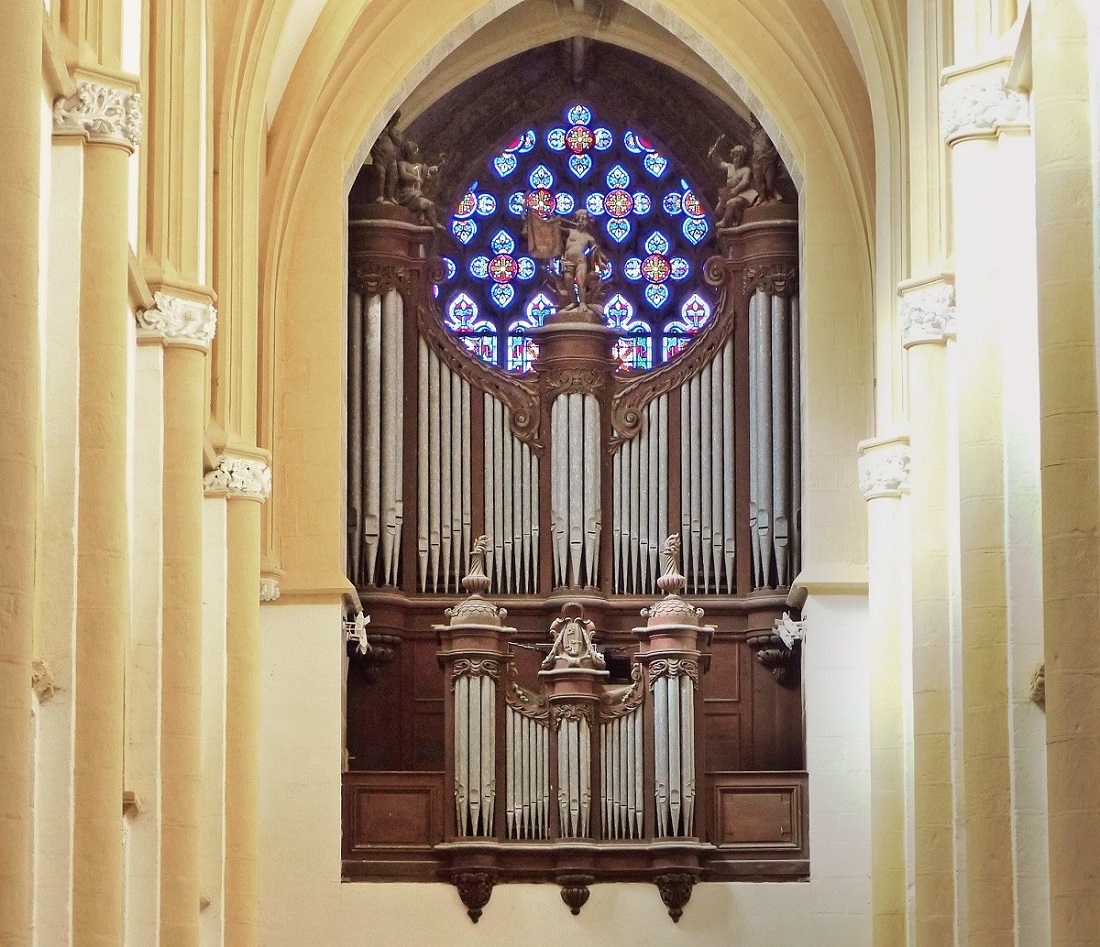
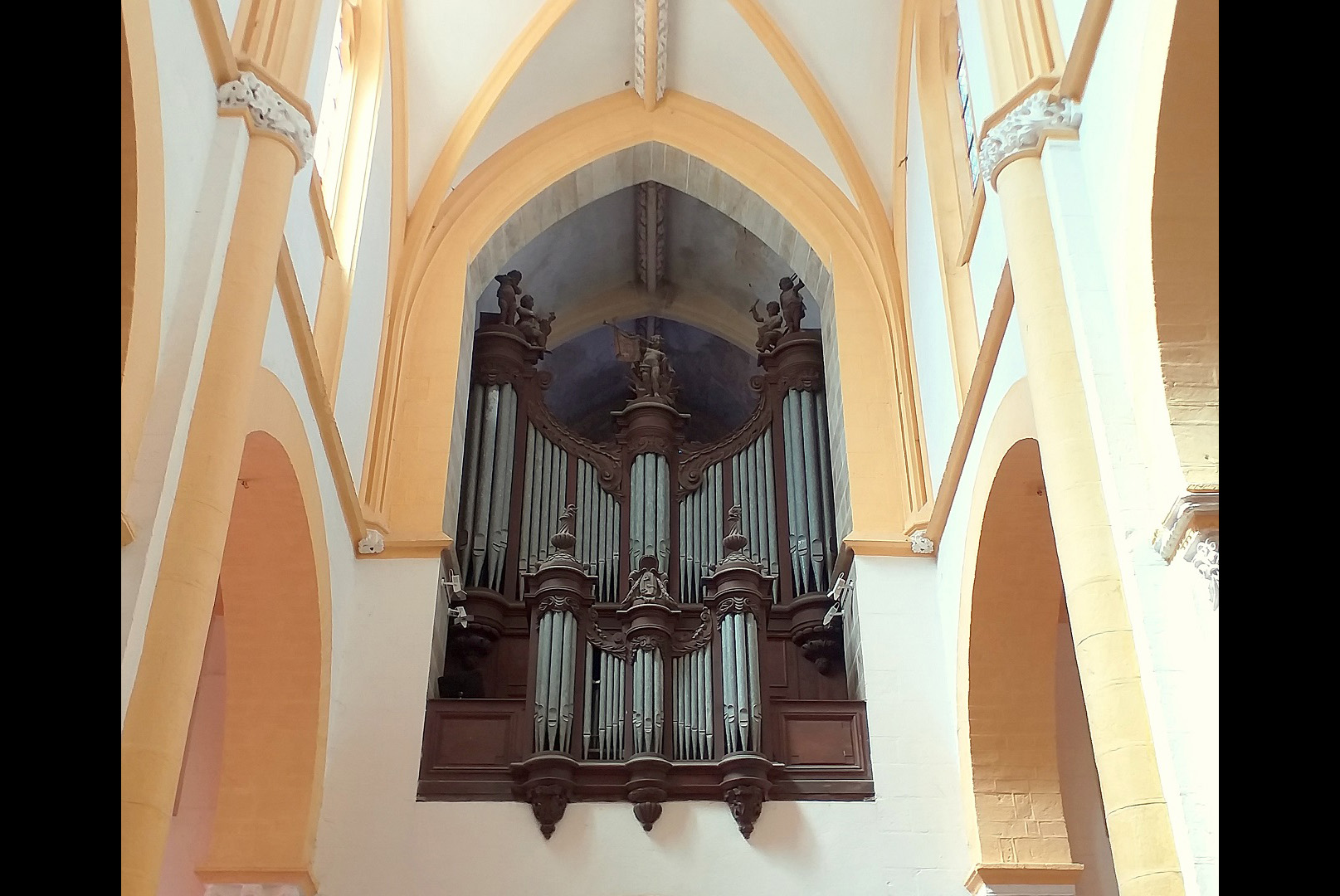
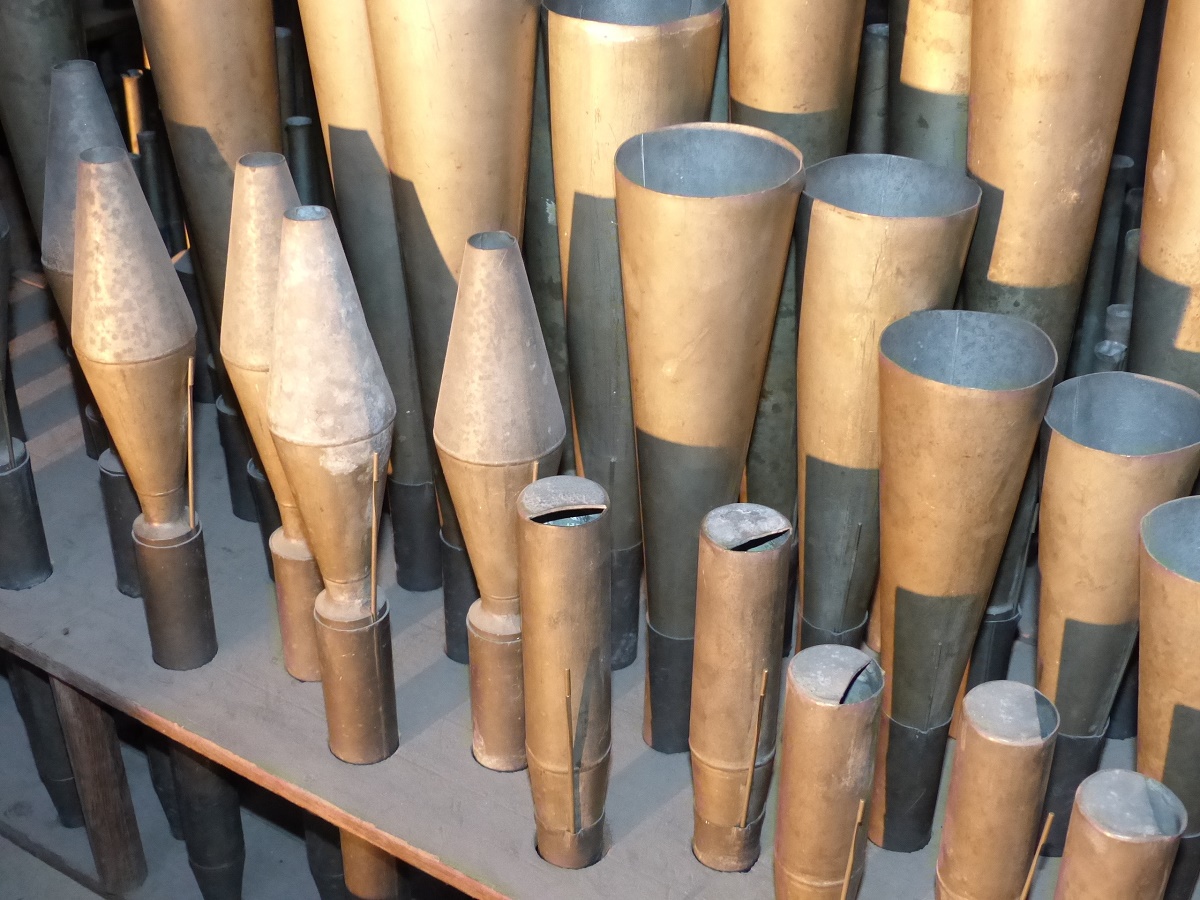
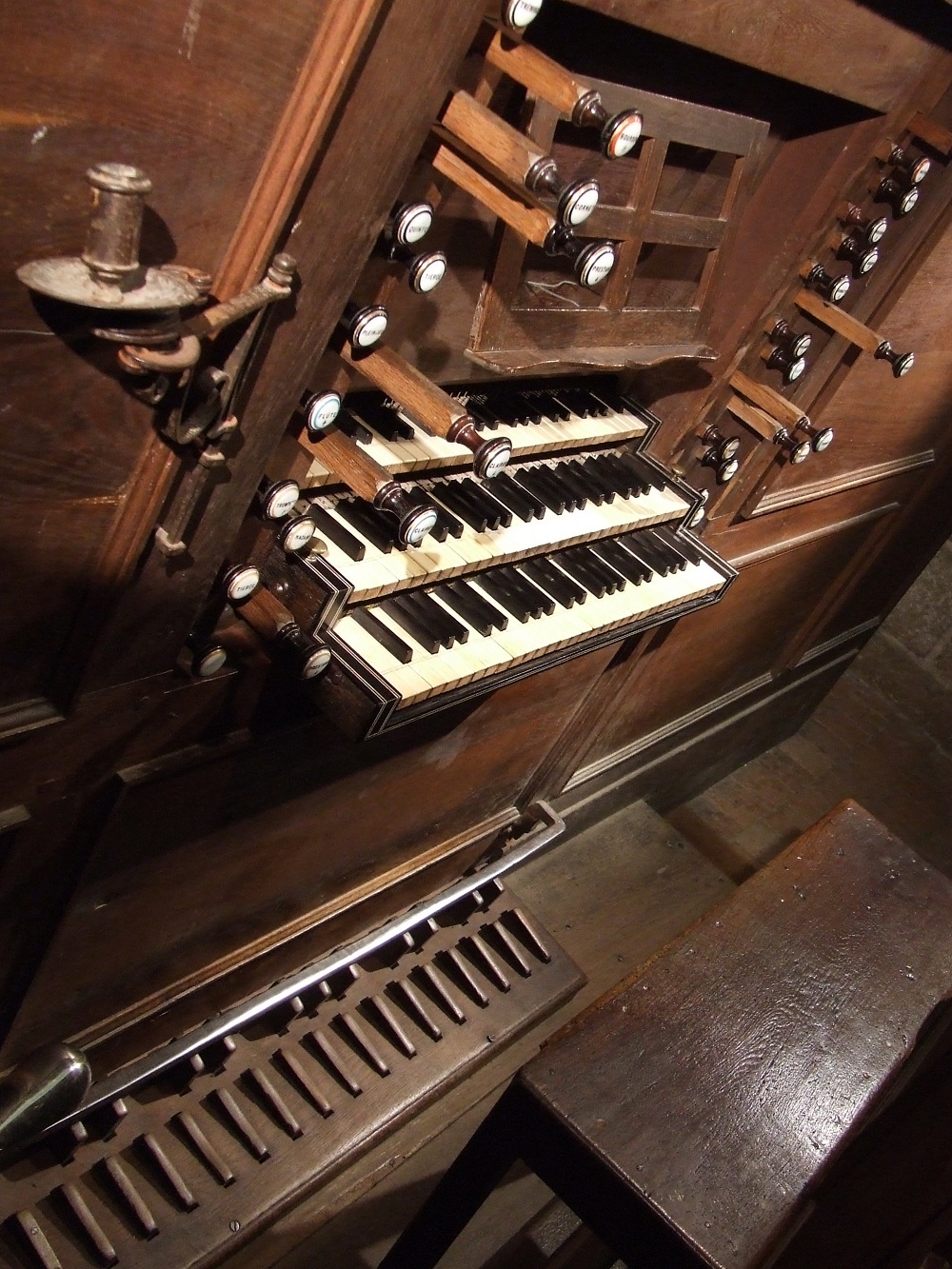
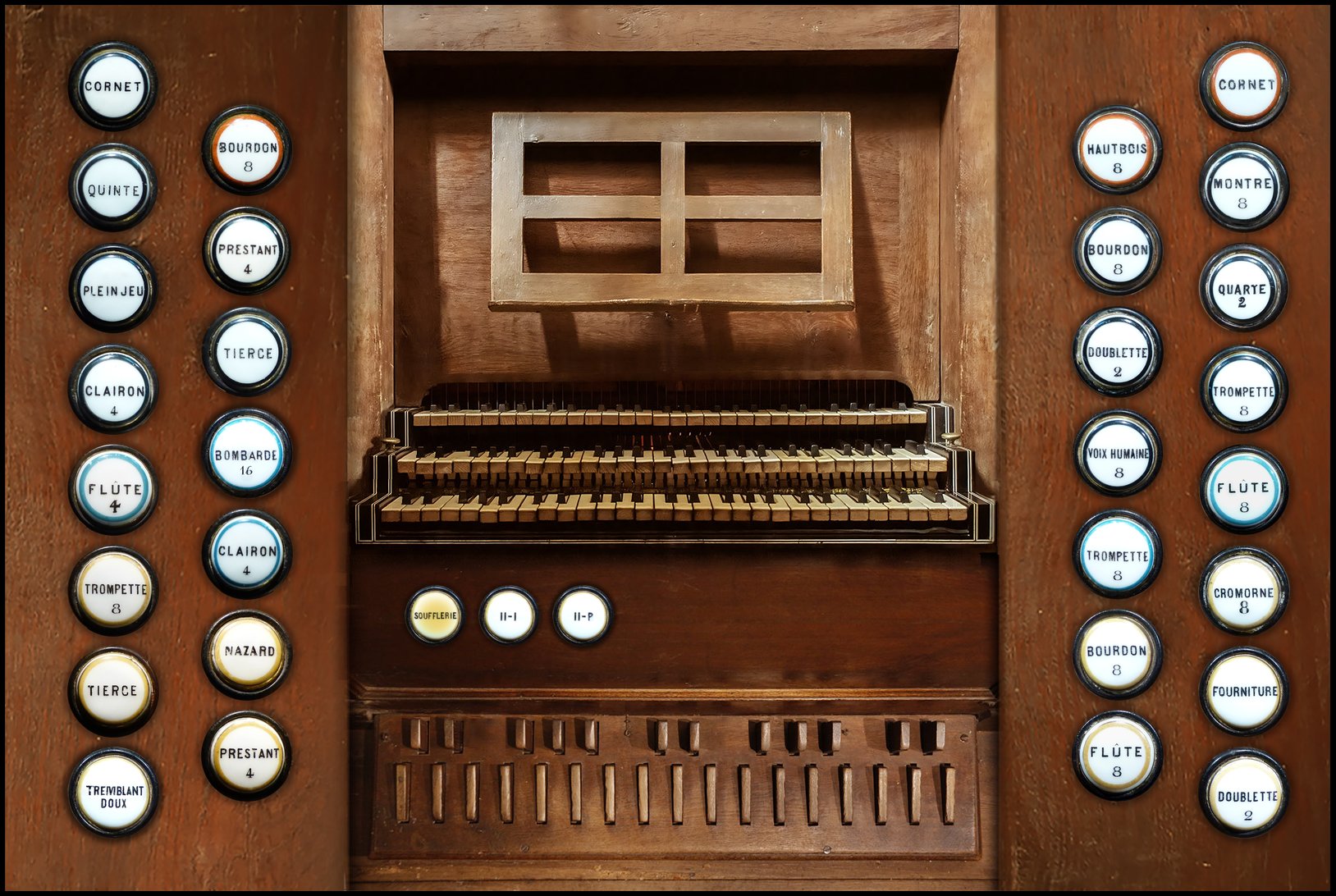
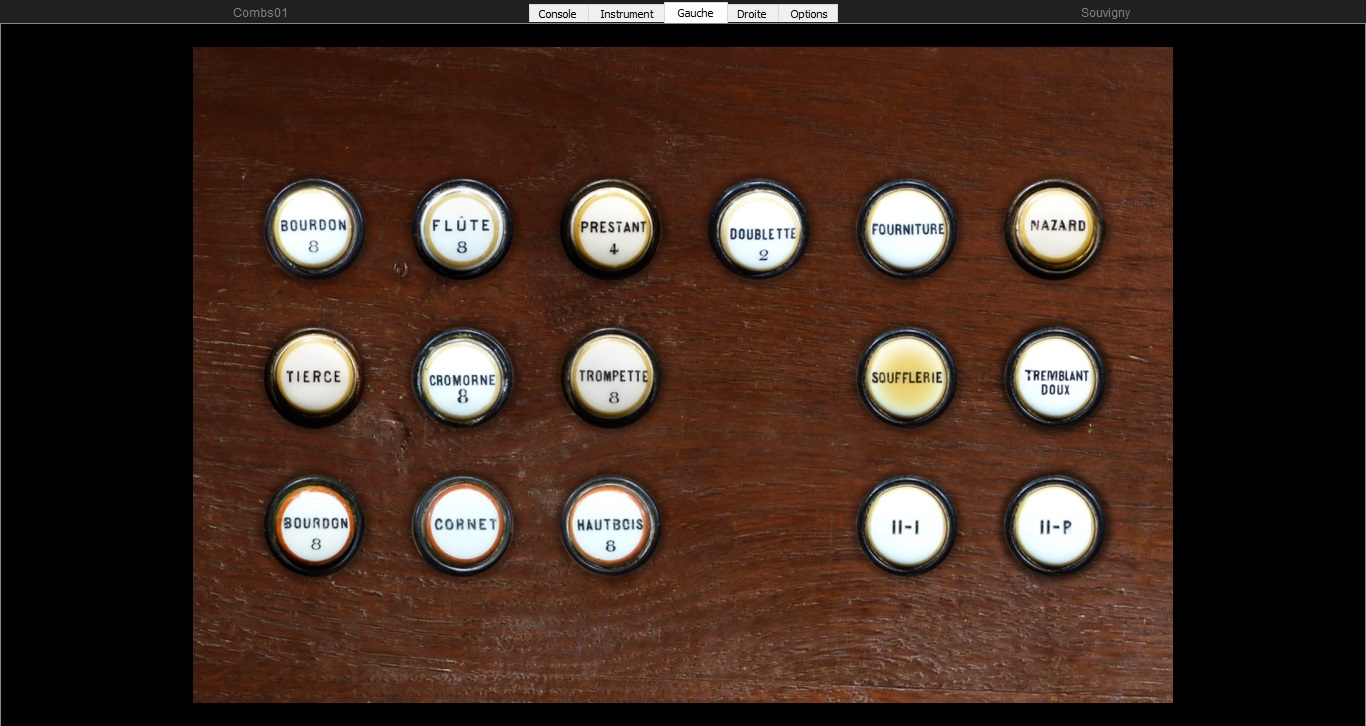
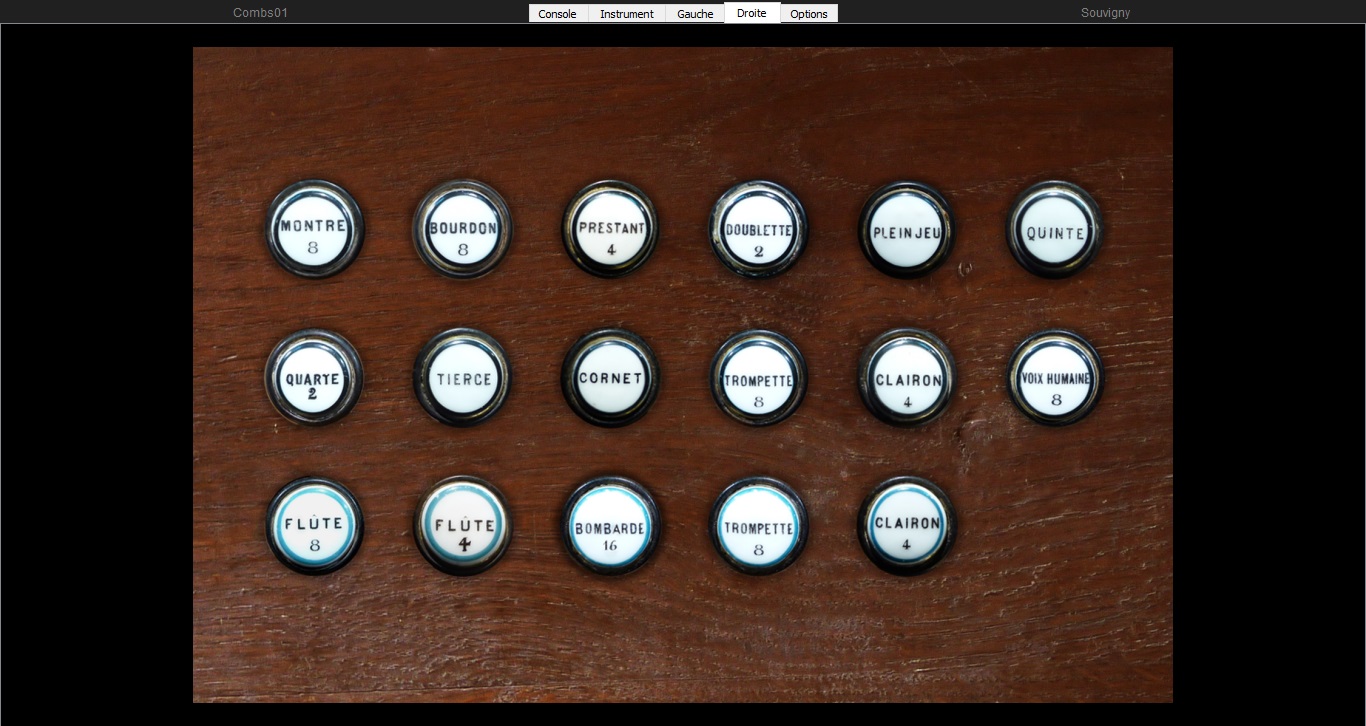

About the organ
Commissioned for the Benedictine Abbey of Souvigny (Allier, France), this organ is one of the very few instruments by François-Henri Clicquot to have survived in an almost perfectly preserved state. Begun in 1782 and completed in 1786, the instrument subsequently underwent only limited maintenance work, which accounts for its exceptional authenticity.
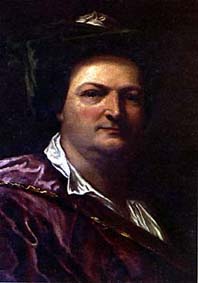 François-Henri Clicquot (1732–1790), born into a distinguished lineage of organ builders serving the kings of France, was one of the greatest masters of 18th-century organ building. Heir to the family workshop founded by his grandfather Robert and his father Louis-Alexandre, he became “facteur d’orgues du Roy”. His talent was distinguished by the harmonic beauty and tonal richness of his instruments, which epitomize the French Classical organ. He created or restored many masterpieces, including those of Saint-Roch, Saint-Sulpice, Saint-Nicolas-des-Champs, the Cathedral of Poitiers, and here, at Souvigny. An innovator, he also adapted English fortepianos that were highly prized at court. Decorated by Louis XVI, he left unfinished a Practical Theory of Organ Building, a testament to his exceptional expertise and his lasting influence on the art of the French organ.
By its design, the Souvigny instrument is ideally suited to French repertoire of the 17th and 18th centuries. Its “French-style” pedalboard and tonal palette beautifully embody the French Classical aesthetic, that of composers contemporary with the organ such as Guillaume Lasceux, Claude Balbastre, and Jean-Jacques Beauvarlet-Charpentier.
The organ has inspired numerous recordings, notably by Michel Chapuis, Jean-Luc Jacquenod, Thilo Muster, and Jean-Luc Perrot. The town of Souvigny, together with the Espace Public de Coopération Culturelle, places special emphasis on celebrating this instrument: each autumn it is featured in a baroque music festival, and during the medieval fair, the association Les Amis de l’Orgue de Souvigny organizes a week-long event “Présence de l’orgue” offering the public the opportunity to hear its remarkable tones.
Composition
| Positif 50 notes 51 notes (*) |
Grand-orgue 50 notes 51 notes (*) |
Récit 27 notes |
Pédale 28 notes “à la française” ped. 29 notes standard ped. (*) |
|---|---|---|---|
| Bourdon 8 | Montre 8 | Bourdon 8 | Flûte 8 |
| Flûte 8 (do 2) | Bourdon 8 | Cornet IV | Flûte 4 |
| Prestant 4 | Prestant 4 | Hautbois 8 | Trompette |
| Doublette 2 | Doublette 2 | Clairon | |
| Nazard 2 2/3 | Quarte 2 | Bombarde (*) | |
| Tierce 1 3/5 | Quinte 2 2/3 | ||
| Fourniture V | Tierce 1 3/5 | ||
| Trompette 8 | Plein Jeu VI | ||
| Cromorne 8 | Cornet V (do 3) | ||
| Trompette 8 | |||
| Clairon 4 | |||
| Voix humaine 8 | |||
(*) Available in the Extended version (included in the package)
Tremblant doux
Accouplement à tiroir Pos/GO
Accouplement Péd/GO (*)
Diapason La = 440 Hz
We give two possibilities: standard pedalboard, or “à la française” pedalboard (Fa0 – La2 sauf Fa#0) with so-called “Ravalement” (*)
Text, photos, and support in the project : Many thanks to Jean-Luc Perrot and the association “Les Amis de l’Orgue Clicquot de Souvigny”.
Documentation
Here you can find a stop combination guide, made by Jean-Luc Perrot:
(PDF) Registrations usuelles sur l’orgue François-Henri Clicquot de Souvigny